
India is a leading country known for supplying natural stone to the market, with a wide variety of stones available for domestic applications, commercial buildings, landscaping, and architecture. Indian natural stones are cherished for their distinct hues, patterns, and usability, ranging from marble to granite, sandstone, limestone, and slate.
For architects, builders, wholesalers, and interior designers, choosing the right supplier is crucial to ensure quality and keep projects running smoothly. A reliable natural stone exporter in India can assist buyers in choosing the right stock, offer various finishes, and manage orders based on the specific needs of the projects.
If you’re looking for stone for your flooring, wall cladding, outdoor paving, countertops, or for decorative purposes, familiarizing yourself with the Indian natural stone market can help you make an informed decision when shopping for stone.
Why Choose Natural Stone Exporters in India?
India has plenty of natural stones from various parts of the country that are turned into stones and sold in the domestic and international markets. The customer can have the option to look at materials in various colours, grain patterns, surface textures, and performance characteristics to match different architectural styles.
Professional Natural Stone Exporters in India can provide help with product selection, product customization, surface finishing, quality checks, packing and shipping the stones, and export papers. They may be particularly helpful to international buyers who have projects with certain design and delivery specifications.
An experienced exporter will also be able to streamline the communication between the buyer, processing facility, and shipping partner. However, it is important to check out the company’s true export experience and whether they offer products, or if they can meet your specifications, before making a selection.
A good supplier will be able to discuss the various types of stone available and guide you towards the type you need for your application.
Exploring Natural Stone Varieties Available in India
An advantage of Indian natural stone is that there are various types of natural stone for different types of building and design purposes.
Granite is widely used for countertops, flooring, steps, and selected exterior applications because of its hardness and durability. It comes in a wide range of varieties and can be used in modern or traditional decor.
Marble is popular for its distinctive veining and refined appearance. It is often used on the interior flooring, decorative walls, reception areas, and luxury residential projects. Because marble is sensitive to acids and stains, it is important that it is treated correctly when it comes to sealing and maintenance.
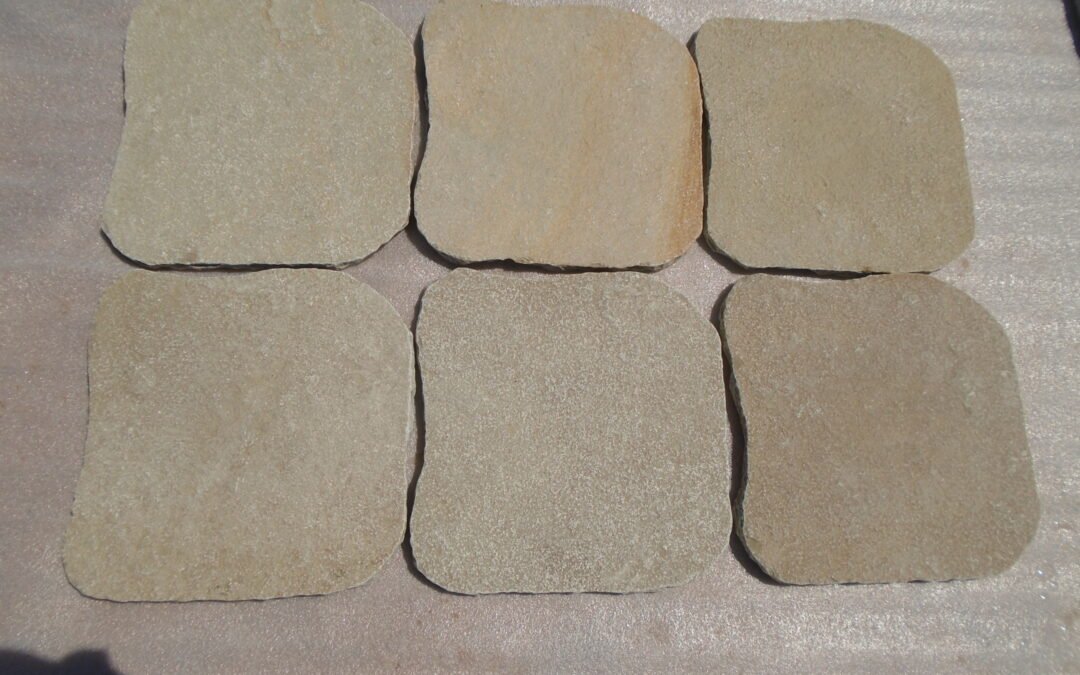
Sandstone can be used in its natural color and texture to provide paving, garden paths, cladding, and architectural applications. Technical properties, finish and exposure conditions are all factors that determine the suitability of a specific variety.
Limestone is also used for some flooring, cladding and landscaping projects but is a softer and more understated look. The quality of the variety should be judged by the porosity, durability and ease of maintenance before purchase.
Slate is valued for its natural texture and is used for selected flooring, wall applications, roofing products, and outdoor designs, depending on the type and specifications.
Appearance, combined with strength, water absorption, slip resistance, maintenance, and fit for the environment, are all important factors to consider when comparing products.
How to Select a Natural Stone Exporter from India
When it comes to finding a Natural Stone Exporter from India, it is not simply about getting the lowest price, but about securing the right trade. A good supplier will know what you need, give you information about the products and the manufacturing process as well as the delivery process.
The first step is to determine the type of stone you will use, the colour, finish, size, thickness, and amount of stone needed for your project. Having a detailed specification gives suppliers time to make a more accurate quotation, and can minimise the chance of supplying an incorrect product.
After that, you should check what products the supplier offers and what processing facilities he has. For any customisation in slabs, cut-to-size tiles, paving stones, steps or wall cladding, check if these can be made based on your drawing.
Another crucial factor to take into account is quality assurance. Discuss inspection requirements, tolerances, surface finish, packing, and how samples are approved. There is variation in natural stone with regard to colour, grain and texture, and it is very beneficial to agree on an acceptable variation prior to production.
If placing an order from outside of the country, verify export documents, delivery methods, manufacturing times, and delivery duties from the supplier. A written quote must be clearly written, showing the specifications of the product and the costs that will be included in the quote.
What Makes Reliable Natural Stone Suppliers in India Stand Out?
Reliable Natural Stone Suppliers in India prioritize product consistency, effective communication, and consistent order management. The same attributes are sought after in either scenario: when buying a small amount for a house renovation or a huge quantity for a commercial project.
It’s a good starting point to have a grasp of the product. A knowledgeable supplier should be able to describe the properties of various stone types, finishes available, and the maintenance requirements. This information assists buyers to choose products that are not only designed to their specifications, but also to their needs as well.
The ability to process is also an important consideration. Correct cutting, uniform thickness and correct surface finishes can help to make installation easier and prevent unnecessary material waste. In bigger orders, verify that the supplier is able to uphold the promised details throughout the entire order.
Packaging and logistics must be given the same consideration. Natural stone is heavy and if not packed properly, can be damaged during handling or transport. Inquire about protection, loading, and loading for shipping of these products.
Last but not least, shop around! Don’t assume the lowest price is the best value if it’s not always offered in the right size, doesn’t always come in a suitable package, or doesn’t have terms of delivery that you understand. Consider the entire offer before deciding.
Benefits of Working with Natural Stone Suppliers from India
When buyers select the Indian Natural Stone Suppliers, it can help them to enjoy a wide range of stone products from India for their projects, which have varying budgets and design specifications.
Indian suppliers can provide various colours, finishes, and product formats, enabling the buyer to ensure that the selected products are coordinated in terms of design within a unified design scheme, including flooring, wall cladding, landscaping, and decorative features. Depending on the supplier, customisation may also be possible on the project-specific dimensions and finishing requirements.
One benefit is that it allows you to make comparisons between various materials being used for the same application. For instance, if someone is considering a walkway in the front of their house, they can assess the look, strength, slip, and maintenance requirements of sandstone, granite or any other appropriate natural stone.
Wholesalers/importers may make it easier to place repeat orders and coordinate products with a good supplier if a long-term relationship is established. Consistent specifications, approved samples and documented quality expectations can help to facilitate consistent purchasing in the long term.
To be sure you’ll be getting what you need from a supplier, check out their capacity and make sure the material is suitable for the technical and regulatory requirements of your country.
Applications of Indian Natural Stone
Natural stone is suitable for use in a wide range of residential, commercial and public applications. The choice of material depends on the application, design considerations, installation requirements and maintenance plans.
Natural stone is frequently used in residential applications for flooring and kitchen areas, bathroom surfaces, entry areas, patios and garden pathways. The marble veining and granite’s granularity are examples of different visual effects that can be found in different stones.
Natural stone can be used on reception desks, walls, floors, stairs and on selected exterior finishes in commercial developments like hotels, offices, restaurants and retail spaces.
Stone paving, garden edging, steps, outdoor seating areas and decorative accents can all be a part of landscaping projects. In these uses, buyers should be aware of the following: exposure to weather conditions, drainage, surface texture, and slip resistance.
Natural stone is also employed in the restoration of architecture and in a custom design project, where it is important to match a certain colour and/or texture of an existing stone. In these instances, sample approval and careful measurement prove to be particularly helpful.
Important Factors Before Placing an Order
Make a list of requirements for the products before you commit to buying them. State the stone type, size, thickness, colour, finish, quantity, and use of the stone.
Have samples or representative pictures of the material to get an idea of what the material will look like. As natural stone does not come in uniform patterns, explain what you expect to see on the stone in terms of colour and texture.
Inquire with the supplier regarding their production capacity, how their products are inspected, how they are packed, their lead time, and their delivery schedule. On export orders, specify shipping conditions, shipping documents, insurance and customs liability.
It’s also good practice to have a policy in place for the problems that can arise with materials that are damaged, the wrong size, or don’t meet the agreed specifications.
These can work towards helping buyers to compare suppliers better and to minimize uncertainty in procurement.
Conclusion
India has several options of natural stone materials to be used in construction, interior design, landscaping, and architecture projects. It is important to consider the product quality, processing capabilities, technical specifications, price, and logistics when choosing the right supplier.
No matter whether you’re searching for Natural Stone Exporters in India, a Natural Stone Exporter from India, or comparing Natural Stone Suppliers in India and Natural Stone Suppliers from India, prioritize the experience of the stone exporter and their capacity to handle your project needs.
You can make a more informed sourcing decision by looking at samples, verifying specifications, and setting clear delivery terms, and you can be sure to locate natural stone that not only looks great, but performs great, too.
Frequently Asked Questions
- What sort of natural stones can be obtained from Indian exporters?
Depending on the supplier, granite, marble, sandstone, limestone, slate, and other natural stone products are available with a variety of different colours, sizes, and finishes.
- What are the ways of getting trusted natural stone exporters in India?
Examine the product range, processing facilities, quality control, sample approval, export experience, packaging quality, and delivery terms of the supplier.
- Are there natural stone suppliers in India who can supply customised products?
A few suppliers provide cut-to-size slabs, tiles, paving stones, steps, and cladding to specific requirements. Please check the services offered before ordering.
- What should be taken into consideration by international purchasers before buying natural stone?
Verify products, approved samples, packaging, production schedule, export documents, shipping arrangements, insurance, and payment.
- Can natural stone be used outside of the house?
When the right type, thickness, surface finish, installation, and maintenance program are used, many natural stones can withstand outdoor conditions. Always check suitability for local weather and site conditions.
Recent Comments